The Connection Between Clutter and Mental Health
In today’s fast-paced world, maintaining a clean and organized living space can often take a backseat to other priorities. However, emerging research suggests that clutter can have a significant impact on our mental health and overall well-being. A study published in the Personality and Social Psychology Bulletin found that clutter can increase stress levels and decrease productivity. Understanding this connection is the first step towards creating a healthier, more peaceful living environment.
Clutter can overwhelm the brain, making it difficult to focus and relax. When our surroundings are chaotic, our minds often mirror that chaos. This can lead to increased anxiety, decreased motivation, and even feelings of depression. Conversely, a well-organized space can promote a sense of calm and control, which is essential for mental well-being.
The Science Behind Clutter and Stress
The brain processes visual information constantly, and clutter can overwhelm its capacity to do so effectively. When we are surrounded by clutter, our brains receive an excessive amount of stimuli, which can lead to a state of chronic stress. This is because the brain perceives clutter as an unfinished task, triggering a stress response. Over time, this chronic stress can have detrimental effects on both mental and physical health.
Research has also shown that clutter can affect sleep quality. A study conducted by the American Academy of Sleep Medicine found that people who sleep in cluttered bedrooms are more likely to experience sleep disturbances. A clutter-free environment, on the other hand, can promote better sleep hygiene and overall restfulness.
Creating a Clutter-Free Environment
Creating a clutter-free environment starts with a commitment to decluttering and organizing your space. This process can be overwhelming, but breaking it down into manageable steps can make it more achievable. One effective strategy is to tackle one area at a time, such as a single room or even a single drawer. This approach allows you to make progress without feeling overwhelmed.
For those looking to start their decluttering journey, resources like the home organization declutter guide can provide valuable tips and strategies. These guides often include practical advice on how to sort, organize, and maintain a clutter-free space. Additionally, they may offer insights into the psychological benefits of decluttering, reinforcing the importance of this practice for mental health.
The Role of Mindfulness in Decluttering
Mindfulness can play a crucial role in the decluttering process. Being mindful means being fully present and aware of your surroundings and your actions. When decluttering, mindfulness can help you make more intentional decisions about what to keep and what to let go of. It can also help you stay focused on your goals and maintain a sense of calm throughout the process.
One way to incorporate mindfulness into decluttering is to practice the art of letting go. Ask yourself if each item you encounter brings you joy or serves a practical purpose. If not, consider donating or discarding it. This practice not only helps to reduce clutter but also encourages a mindset of gratitude and contentment.
Maintaining a Clutter-Free Space
Maintaining a clutter-free space requires ongoing effort and commitment. One effective strategy is to adopt the “one in, one out” rule. This means that for every new item you bring into your home, you remove one old item. This rule helps to prevent clutter from accumulating over time and keeps your space organized.
Regular decluttering sessions can also help maintain a clutter-free environment. Set aside time each month to go through your belongings and remove items that no longer serve a purpose. This practice can help you stay on top of clutter and prevent it from becoming overwhelming.
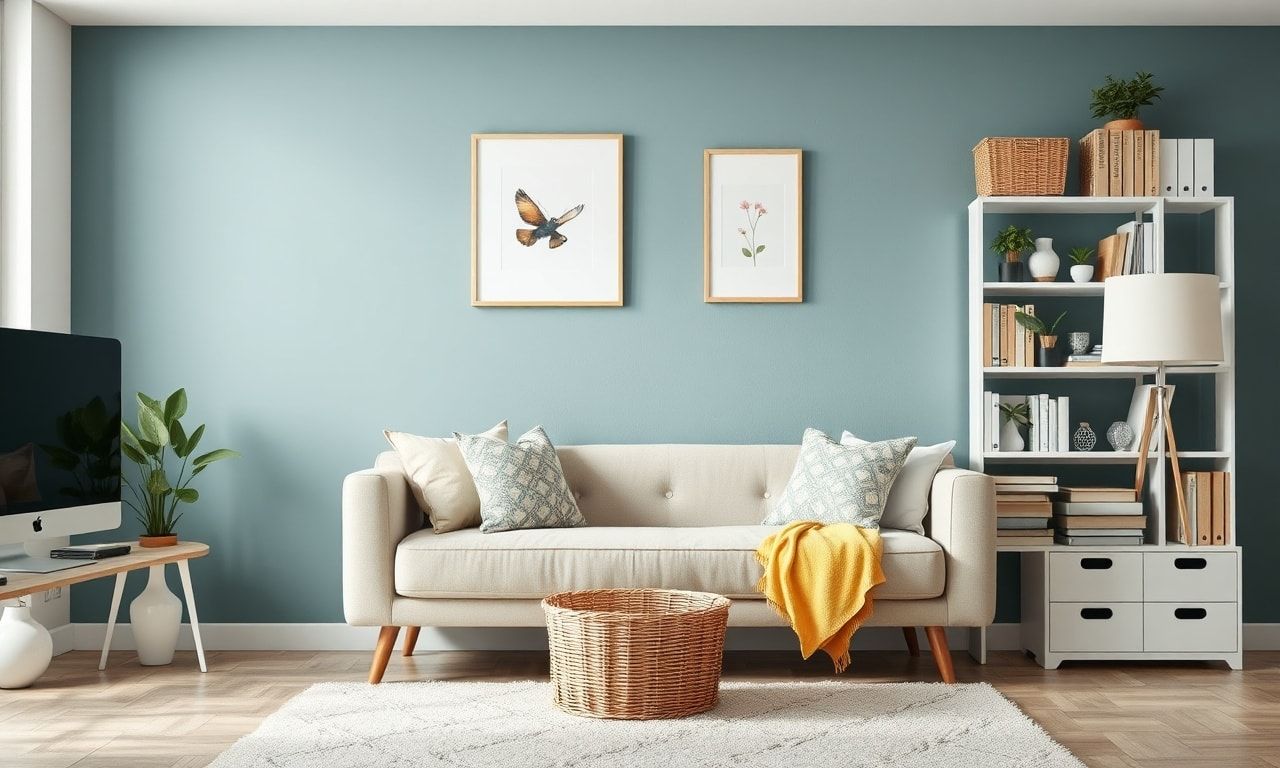
In addition to regular decluttering, creating designated spaces for your belongings can help keep your home organized. Use storage solutions like baskets, shelves, and bins to keep items tidy and easily accessible. Labeling these storage solutions can also make it easier to maintain order.
The Benefits of a Clutter-Free Life
The benefits of a clutter-free life extend beyond just a tidy home. A clutter-free environment can improve mental clarity, reduce stress, and enhance overall well-being. It can also create a more inviting and comfortable space for you and your loved ones to enjoy.
Moreover, a clutter-free life can promote healthier habits. When your environment is organized, it becomes easier to stick to routines like exercise, meal planning, and self-care. This can lead to a healthier lifestyle overall, contributing to both physical and mental well-being.
In conclusion, the impact of clutter on mental health is significant. By understanding this connection and taking steps to create a clutter-free environment, you can improve your mental well-being and overall quality of life. Whether you use resources like the home organization declutter guide or practice mindfulness, the key is to start small and stay committed to the process. Over time, you’ll reap the benefits of a calmer, more organized living space.
Discover how modern tools can elevate your self-care with our latest feature on tech boosting wellness routines, exploring the synergy between gadgets and personal well-being.
Discover how tiny tweaks can significantly enhance your well-being in our latest feature, easy ways to improve, which delves into the science of habit formation and its impact on your overall health.
In our pursuit of holistic wellness, it’s essential to explore how we express ourselves; discover the power of fashion as self-expression and its impact on our mental health and confidence.