The Rise of Remote Work and Its Impact on Mental Health
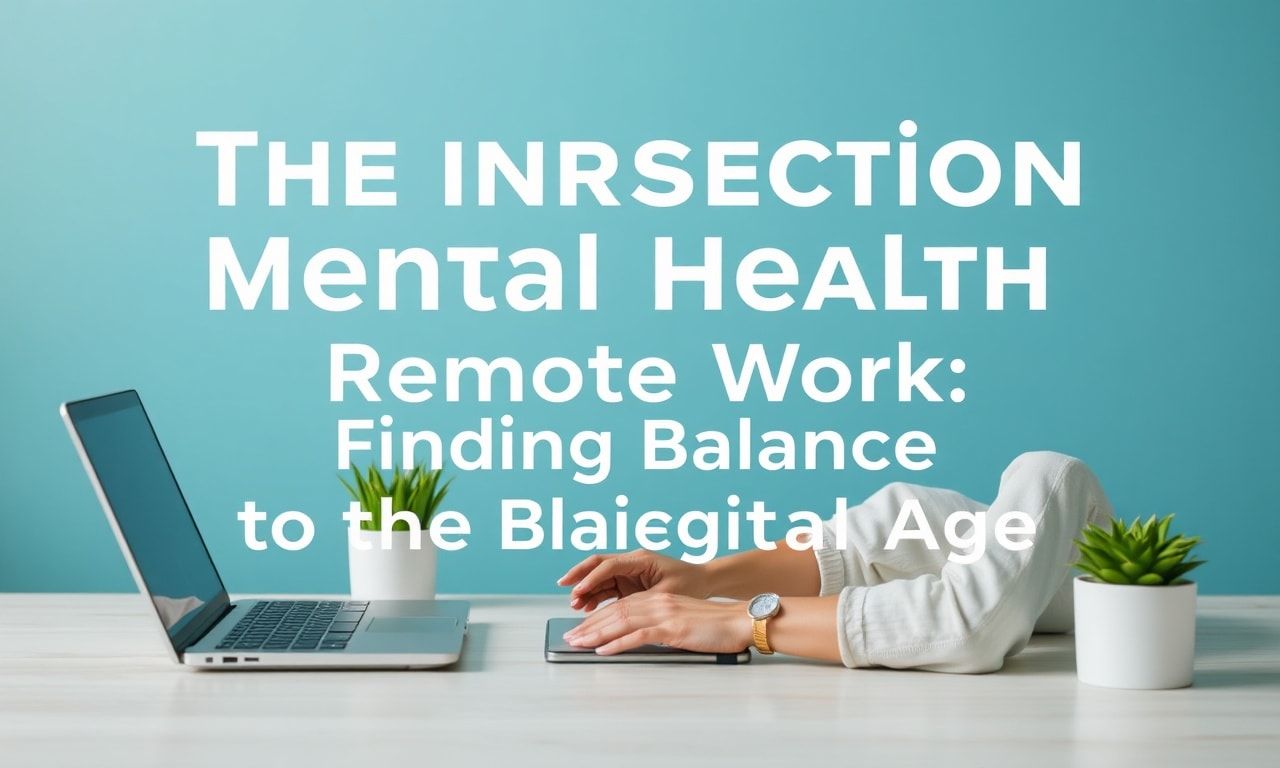
The digital age has ushered in a new era of work, with remote jobs becoming increasingly prevalent. While this shift offers flexibility and convenience, it also presents unique challenges to mental health. Understanding these challenges and learning how to mitigate them is crucial for maintaining overall well-being in the modern workforce.
Understanding the Mental Health Challenges of Remote Work
Remote work can lead to feelings of isolation and disconnection from colleagues, which can negatively impact mental health. Additionally, the blurred boundaries between work and personal life can result in increased stress and burnout. A study by Stanford University found that remote workers often work longer hours, which can exacerbate these issues.
Moreover, the lack of physical interaction can lead to a decrease in social support, which is a critical factor in maintaining good mental health. According to the American Psychological Association, social support is linked to lower levels of depression and anxiety. Therefore, it’s essential to find ways to stay connected and build a support network, even when working remotely.
Identifying the Signs of Mental Health Struggles
Recognizing the signs of mental health struggles is the first step in addressing them. Common symptoms include persistent fatigue, difficulty concentrating, irritability, and changes in sleep patterns. If you notice these signs in yourself or your colleagues, it’s important to take proactive steps to address them. Seeking professional help, such as therapy or counseling, can be beneficial. Additionally, exploring top freelance jobs in freelance virtual assistance can provide flexibility and reduce stress for those struggling with mental health issues.
Strategies for Maintaining Mental Well-being While Working Remotely
There are several strategies that can help maintain mental well-being while working remotely. Establishing a routine and setting clear boundaries between work and personal life is crucial. Creating a dedicated workspace can also help create a mental separation between work and home life.
Building a Support Network
Building a support network is essential for maintaining good mental health. Regular check-ins with colleagues, joining online communities, and participating in virtual social events can help combat feelings of isolation. Additionally, setting aside time for hobbies and physical activities can provide a much-needed break from work and boost overall well-being.
Practicing Self-Care
Self-care is another critical aspect of maintaining mental well-being. This includes getting enough sleep, eating a balanced diet, and engaging in regular physical activity. Mindfulness practices, such as meditation and yoga, can also help reduce stress and improve mental health. It’s important to prioritize self-care and make it a regular part of your routine.
The Role of Employers in Supporting Remote Workers’ Mental Health
Employers also play a crucial role in supporting the mental health of their remote workers. Providing resources and support, such as access to mental health services and wellness programs, can make a significant difference. Encouraging open communication and creating a culture of support can also help remote workers feel valued and connected.
Additionally, offering flexible work arrangements and promoting work-life balance can help reduce stress and burnout. Employers should also provide training and resources on mental health awareness and self-care strategies. By taking these steps, employers can create a supportive work environment that promotes the well-being of their remote employees.
Conclusion: Finding Balance in the Digital Age
In conclusion, the rise of remote work presents both opportunities and challenges for mental health. By understanding these challenges and implementing strategies to address them, individuals and employers can create a supportive work environment that promotes well-being. Prioritizing self-care, building a support network, and seeking professional help when needed are all essential steps in maintaining good mental health in the digital age.
As the world continues to evolve, it’s crucial to stay informed about the latest research and best practices in mental health. By doing so, we can navigate the complexities of remote work and find a balance that supports our overall well-being.
Discover how expressing your personal style can boost your confidence and overall well-being with our guide on finding your fashion identity.
To help you maintain a balanced lifestyle, consider exploring our comprehensive guide on healthy living through nutrition and fitness, which also delves into the importance of mental well-being.
To enhance your overall well-being, discover effective strategies for a healthier life that focus on both physical and mental health.