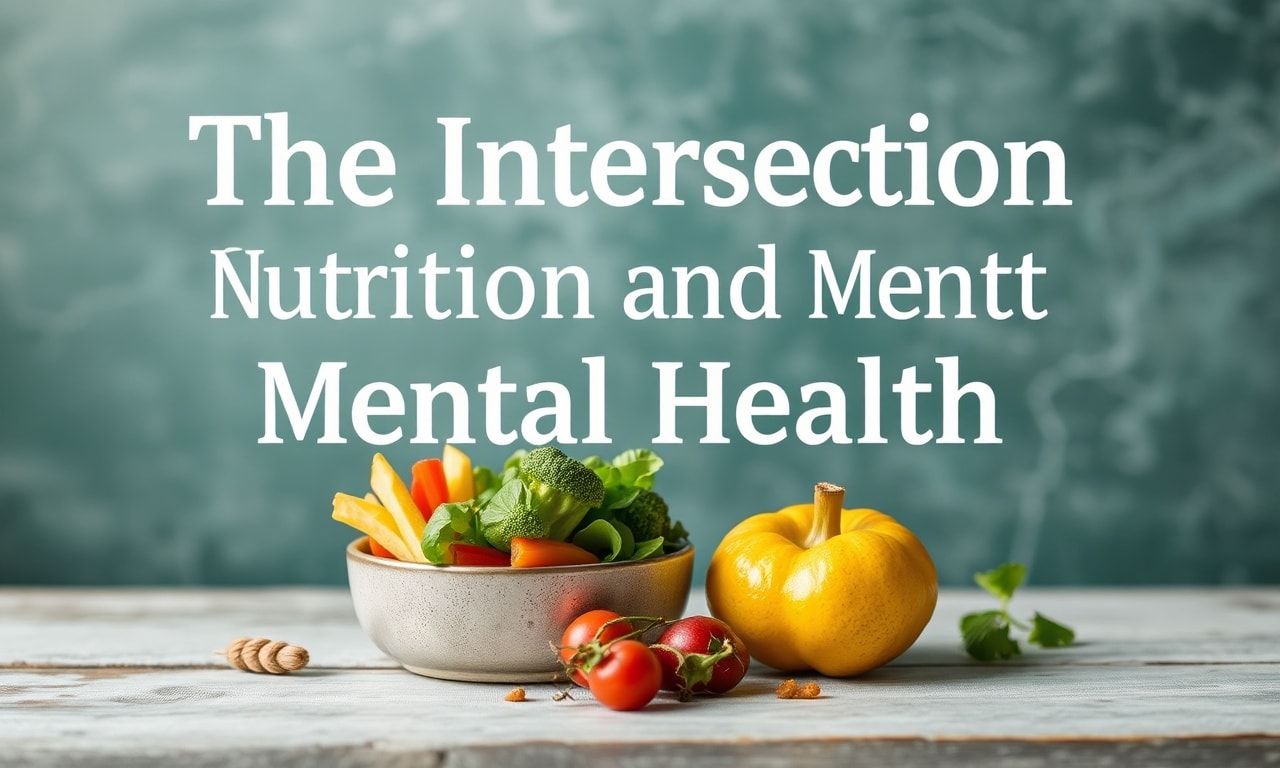
Understanding the Gut-Brain Connection
The relationship between nutrition and mental health is a burgeoning field of study, with increasing evidence suggesting that what we eat significantly impacts our mental well-being. The gut-brain axis, a complex communication system between the gastrointestinal tract and the central nervous system, plays a crucial role in this relationship. This axis involves bidirectional communication via the vagus nerve, immune system, and hormonal signaling pathways.
Research has shown that the composition of gut microbiota, the trillions of microorganisms residing in our intestines, can influence brain function and behavior. A healthy gut microbiome is essential for producing neurotransmitters like serotonin, which regulates mood, appetite, and sleep. Disruptions in gut health have been linked to mental health disorders such as depression, anxiety, and even schizophrenia.
To support a healthy gut-brain axis, it is essential to consume a balanced diet rich in fiber, probiotics, and prebiotics. Foods like yogurt, kefir, sauerkraut, and bananas are excellent sources of probiotics and prebiotics, which help maintain a diverse and healthy gut microbiome. Additionally, staying hydrated and engaging in regular physical activity can further enhance gut health and overall mental well-being.
Key Nutrients for Mental Health
Certain nutrients are particularly important for maintaining optimal mental health. Omega-3 fatty acids, found in fatty fish like salmon, walnuts, and flaxseeds, are essential for brain function and have been shown to reduce symptoms of depression and anxiety. Antioxidants, found in colorful fruits and vegetables, help protect the brain from oxidative stress and inflammation, which are linked to cognitive decline and mental health disorders.
B vitamins, particularly folate (B9) and vitamin B12, are crucial for the production of neurotransmitters and the maintenance of healthy nerve cells. Deficiencies in these vitamins have been associated with depression, cognitive impairment, and neurological disorders. Foods rich in B vitamins include leafy greens, legumes, eggs, and fortified cereals.
Magnesium, a mineral involved in over 300 biochemical reactions in the body, plays a vital role in regulating mood and stress responses. Foods high in magnesium include nuts, seeds, whole grains, and leafy greens. Incorporating these nutrient-dense foods into your diet can help support mental health and overall well-being.
The Role of Hydration in Mental Health
Hydration is often overlooked but is a critical factor in maintaining mental health. Even mild dehydration can impair cognitive function, mood, and concentration. The brain is composed of approximately 73% water, and even a slight decrease in hydration can affect its ability to function optimally.
To stay properly hydrated, aim to drink at least eight glasses of water per day, and more if you are physically active or live in a hot climate. Herbal teas, infused waters, and electrolyte-rich beverages can also contribute to your daily hydration needs. Remember, thirst is not always a reliable indicator of hydration status, so it’s essential to drink water regularly throughout the day.
In addition to water, consuming foods with high water content, such as fruits and vegetables, can also help maintain hydration. Cucumbers, watermelons, strawberries, and lettuce are excellent examples of hydrating foods that can be easily incorporated into your diet.
Lifestyle Factors and Mental Health
While nutrition plays a significant role in mental health, it is not the only factor to consider. Lifestyle habits, such as regular exercise, adequate sleep, and stress management, are also crucial for maintaining optimal mental well-being.
Regular physical activity has been shown to reduce symptoms of depression and anxiety, improve mood, and enhance cognitive function. Aim for at least 30 minutes of moderate-intensity exercise most days of the week. Find activities you enjoy, whether it’s walking, swimming, cycling, or dancing, and make them a regular part of your routine.
Adequate sleep is essential for mental health, as it allows the brain to consolidate memories, process emotions, and restore itself. Most adults need 7-9 hours of sleep per night. Establish a consistent sleep schedule, create a relaxing bedtime routine, and optimize your sleep environment to promote better sleep quality.
Stress management techniques, such as mindfulness meditation, deep breathing exercises, and yoga, can help reduce stress and improve mental health. Incorporating these practices into your daily routine can help you better cope with life’s challenges and maintain a positive outlook.
When to Seek Professional Help
While nutrition and lifestyle factors can significantly impact mental health, they are not a substitute for professional medical care. If you are experiencing persistent symptoms of depression, anxiety, or other mental health disorders, it is essential to seek help from a qualified healthcare provider.
Mental health professionals can provide a comprehensive evaluation and develop a personalized treatment plan tailored to your unique needs. Treatment options may include therapy, medication, or a combination of both. In some cases, addressing nutritional deficiencies or underlying medical conditions may also be necessary.
If you are unsure where to start, consider visiting an online eczane rehberi for guidance on over-the-counter supplements or medications that may support your mental health. However, always consult a healthcare provider before starting any new supplement or medication regimen.
Remember, seeking help is a sign of strength, not weakness. With the right support and treatment, it is possible to manage mental health conditions and improve overall well-being.
Discover how technology is revolutionizing our approach to wellness with our latest feature, digital health innovations transforming lives.