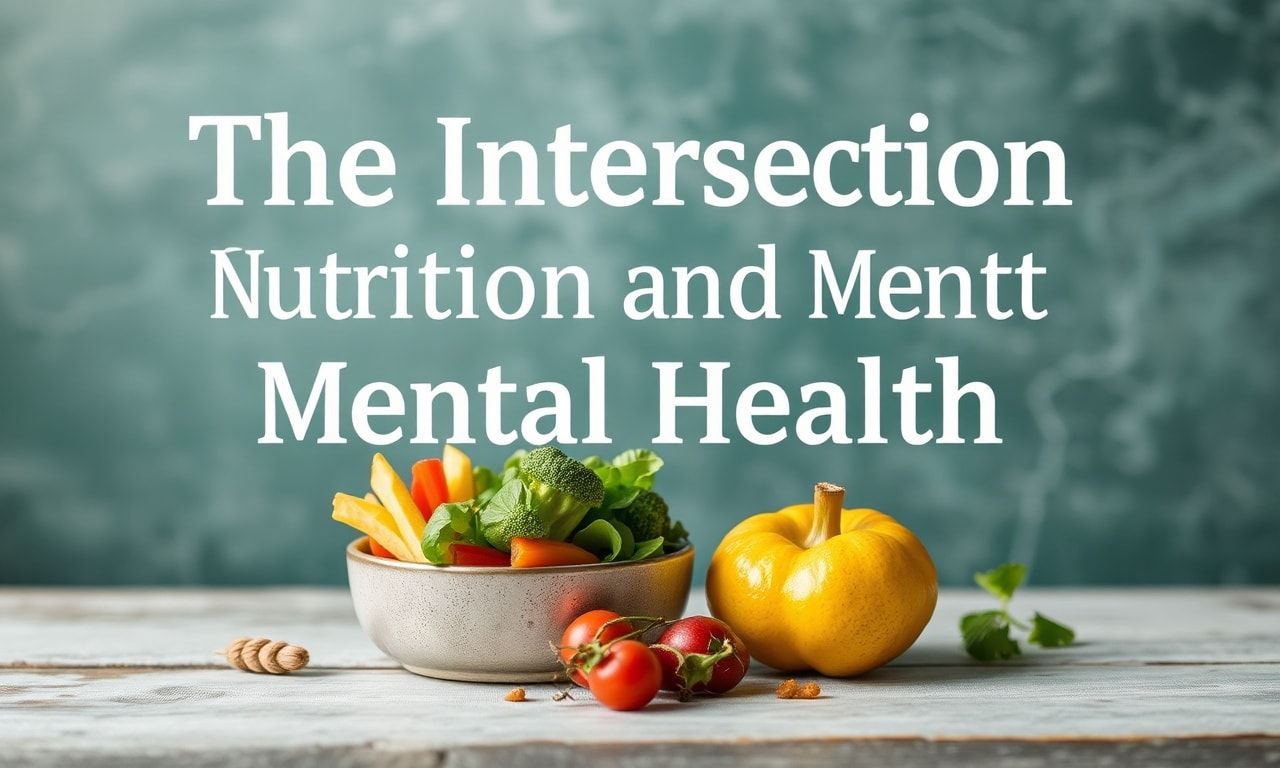
The Gut-Brain Connection
The relationship between nutrition and mental health is a burgeoning field of study, with researchers uncovering compelling evidence that what we eat can significantly impact our mental well-being. The gut-brain axis is a critical component of this relationship, referring to the bidirectional communication between the gastrointestinal tract and the central nervous system. This connection is facilitated by the vagus nerve, neurotransmitters, immune system, and the microbiome—the trillions of microorganisms residing in our gut.
Emerging research suggests that the composition of our gut microbiome can influence mental health. For instance, certain gut bacteria produce neurotransmitters like serotonin and dopamine, which play pivotal roles in mood regulation. Conversely, imbalances in gut bacteria, often referred to as dysbiosis, have been linked to mental health disorders such as depression and anxiety. Therefore, maintaining a healthy gut microbiome through proper nutrition is essential for mental well-being.
Nutrients That Support Mental Health
Several nutrients have been identified as crucial for mental health. Incorporating these into your diet can help support cognitive function and emotional well-being. Here are some key nutrients to focus on:
Omega-3 Fatty Acids
Omega-3 fatty acids, particularly EPA and DHA, are essential for brain health. They are found in fatty fish like salmon, mackerel, and sardines, as well as in walnuts, chia seeds, and flaxseeds. Studies have shown that omega-3 supplementation can reduce symptoms of depression and anxiety. These fatty acids help reduce inflammation in the brain, which is believed to play a role in the development of mental health disorders.
Vitamin D
Vitamin D is not only crucial for bone health but also for mental health. Low levels of vitamin D have been linked to an increased risk of depression. Sunlight is a primary source of vitamin D, but it can also be obtained from foods like fatty fish, egg yolks, and fortified dairy products. Supplementation may be necessary for those with limited sun exposure or dietary restrictions.
B Vitamins
B vitamins, particularly folate (B9) and vitamin B12, are vital for brain function and the production of neurotransmitters. Deficiencies in these vitamins have been associated with depression and cognitive decline. Foods rich in B vitamins include leafy greens, legumes, whole grains, and animal products like meat, poultry, and dairy.
Magnesium
Magnesium is involved in over 300 biochemical reactions in the body, including those that regulate mood. Low magnesium levels have been linked to anxiety and depression. Foods high in magnesium include nuts, seeds, whole grains, and leafy green vegetables. Supplementation can also be beneficial for those with deficiencies.
Dietary Patterns and Mental Health
The overall dietary pattern is as important as individual nutrients. Certain diets have been shown to support mental health more effectively than others. Here are some dietary patterns that can positively impact mental well-being:
Mediterranean Diet
The Mediterranean diet, rich in fruits, vegetables, whole grains, legumes, nuts, and olive oil, has been extensively studied for its mental health benefits. This diet is high in anti-inflammatory foods and omega-3 fatty acids, which are known to support brain health. Research has shown that adherence to the Mediterranean diet is associated with a lower risk of depression and cognitive decline.
DASH Diet
The Dietary Approaches to Stop Hypertension (DASH) diet, designed to lower blood pressure, also offers mental health benefits. This diet emphasizes fruits, vegetables, whole grains, lean proteins, and low-fat dairy while limiting sodium, red meat, sweets, and sugar-containing beverages. The DASH diet has been linked to reduced symptoms of depression and anxiety.
The Impact of Processed Foods on Mental Health
While focusing on nutrient-rich foods is crucial, it’s equally important to limit the intake of processed foods. Processed foods are often high in sugar, unhealthy fats, and artificial additives, which can negatively impact mental health. High sugar intake, for example, has been linked to inflammation and oxidative stress, both of which can contribute to mental health disorders. Additionally, processed foods often lack the essential nutrients needed for optimal brain function.
To support mental health, it’s advisable to choose whole, unprocessed foods whenever possible. Reading food labels and being mindful of ingredient lists can help identify and avoid processed foods. For those interested in agricultural products and their prices, resources like tarım ürünleri satış fiyatları güncel can provide valuable information on fresh, unprocessed options.
Practical Tips for Improving Mental Health Through Nutrition
Incorporating mental health-supportive foods into your diet doesn’t have to be complicated. Here are some practical tips to get started:
- Plan Your Meals: Meal planning can help ensure that you include a variety of nutrient-rich foods in your diet. Aim for a balance of fruits, vegetables, whole grains, lean proteins, and healthy fats.
- Stay Hydrated: Proper hydration is essential for overall health, including mental well-being. Aim to drink at least 8 glasses of water a day and limit sugary beverages.
- Mindful Eating: Pay attention to your body’s hunger and fullness cues. Eating mindfully can help you make healthier food choices and improve digestion.
- Consult a Professional: If you have specific dietary needs or health concerns, consider consulting a registered dietitian or healthcare provider. They can provide personalized advice and guidance.
Conclusion
The connection between nutrition and mental health is undeniable. By focusing on nutrient-rich foods, adopting healthy dietary patterns, and limiting processed foods, you can support your mental well-being and overall health. Remember, small changes can make a big difference, and seeking professional advice when needed can help you achieve your health goals.
Discover how cutting-edge advancements are reshaping the wellness landscape in health tech innovations today, offering promising solutions for fitness, nutrition, and mental health.
To enhance your understanding of how digital markets influence the quality and accessibility of nutritional products, consider exploring strategies for agricultural product marketing and their impact on wellness and fitness.
Discover how top athletes maintain peak performance with insights from athletes’ lifestyle and nutrition tips, a comprehensive guide blending wellness, fitness, and mental health strategies.