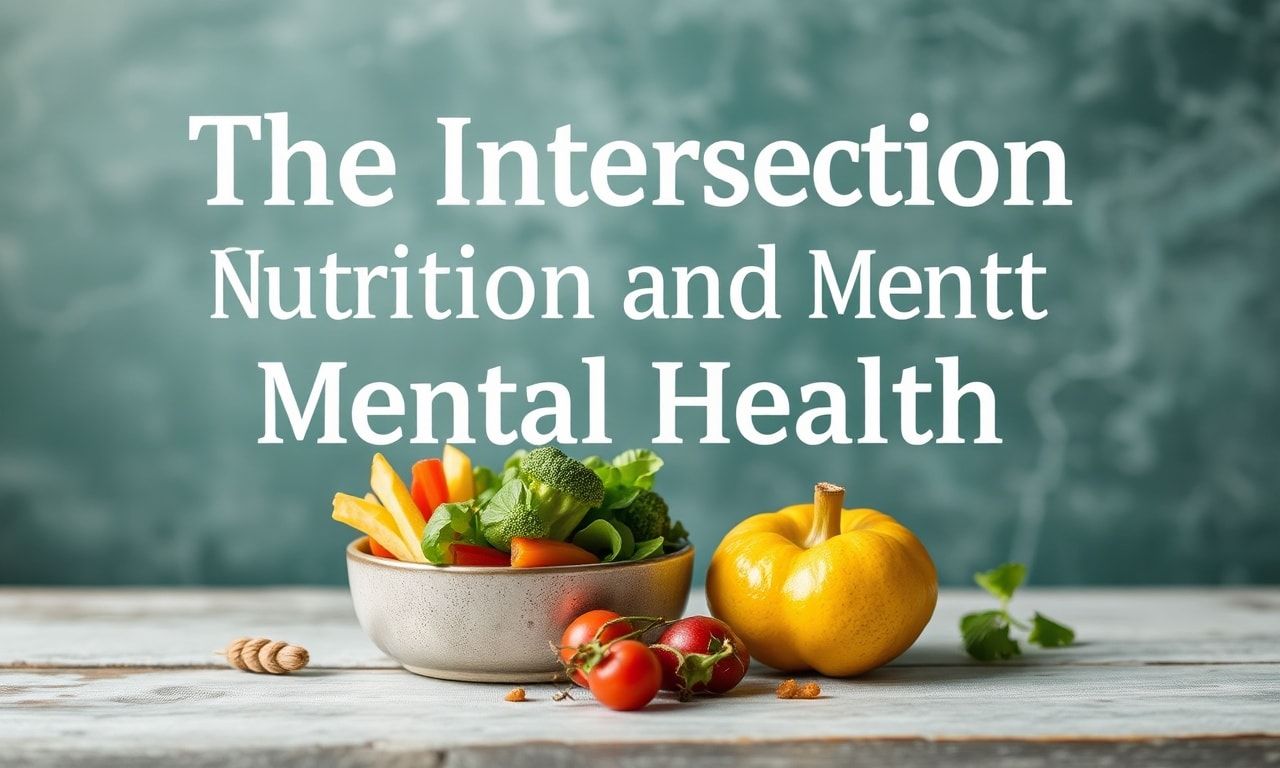
The Gut-Brain Connection
The relationship between nutrition and mental health is a burgeoning field of study, with research increasingly highlighting the intricate connection between the gut and the brain. This gut-brain axis is a complex communication system that links the emotional and cognitive centers of the brain with peripheral intestinal functions. Understanding this connection is crucial for developing holistic approaches to mental health.
Studies have shown that the gut microbiome, the community of microorganisms living in the digestive tract, plays a significant role in mental health. A balanced diet rich in fiber, probiotics, and prebiotics can foster a healthy gut microbiome, which in turn can positively influence mood and cognitive function. Conversely, a diet high in processed foods, sugar, and unhealthy fats can disrupt this delicate balance, potentially leading to mental health issues such as anxiety and depression.
The Role of Nutrition in Mental Health
Nutrition plays a pivotal role in mental health, with certain foods and nutrients being particularly beneficial for brain function and emotional well-being. For instance, omega-3 fatty acids, found in fish like salmon and mackerel, are essential for brain health and have been linked to reduced symptoms of depression and anxiety. Similarly, antioxidants found in fruits and vegetables help protect the brain from oxidative stress, which can contribute to mental health disorders.
Incorporating a variety of nutrient-dense foods into your diet can have a profound impact on your mental health. A diet rich in whole grains, lean proteins, healthy fats, and plenty of fruits and vegetables can provide the necessary nutrients to support brain function and emotional regulation. Additionally, staying hydrated and limiting the intake of alcohol and caffeine can further enhance mental well-being.
Key Nutrients for Mental Health
Certain nutrients are particularly important for mental health. These include:
- Omega-3 Fatty Acids: Found in fatty fish, flaxseeds, and walnuts, these healthy fats are crucial for brain function and have been shown to reduce symptoms of depression and anxiety.
- B Vitamins: Essential for brain health, B vitamins can be found in whole grains, legumes, and leafy greens. They play a vital role in the production of neurotransmitters, which regulate mood and cognitive function.
- Vitamin D: Often referred to as the ‘sunshine vitamin,’ vitamin D is crucial for mental health. It can be obtained through sunlight exposure, fatty fish, and fortified foods.
- Magnesium: Found in nuts, seeds, and leafy greens, magnesium helps regulate neurotransmitters and has been linked to reduced symptoms of anxiety and depression.
- Antioxidants: Found in fruits, vegetables, and whole grains, antioxidants help protect the brain from oxidative stress, which can contribute to mental health disorders.
The Impact of Diet on Mental Health
The foods we eat can have a significant impact on our mental health. A diet high in processed foods, sugar, and unhealthy fats can disrupt the gut-brain axis, leading to inflammation and oxidative stress, which can contribute to mental health issues. Conversely, a diet rich in whole foods, such as fruits, vegetables, whole grains, and lean proteins, can support a healthy gut microbiome and promote mental well-being.
Research has shown that the Mediterranean diet, which is rich in fruits, vegetables, whole grains, lean proteins, and healthy fats, is associated with a lower risk of depression and anxiety. This diet emphasizes the consumption of nutrient-dense foods and limits the intake of processed foods, sugar, and unhealthy fats. Incorporating elements of the Mediterranean diet into your daily meals can have a positive impact on your mental health.
Mindful Eating and Mental Health
Mindful eating is a practice that involves paying full attention to your food, without distractions such as television or smartphones. This practice can help you become more aware of your hunger and fullness cues, as well as the taste, texture, and aroma of your food. Mindful eating can also help you make healthier food choices and reduce overeating, which can have a positive impact on your mental health.
Incorporating mindful eating into your daily routine can be as simple as taking a few deep breaths before meals, chewing your food slowly, and savoring each bite. Additionally, eating in a calm and relaxed environment can enhance the mindful eating experience and promote mental well-being.
Lifestyle Factors and Mental Health
In addition to nutrition, lifestyle factors such as exercise, sleep, and stress management play a crucial role in mental health. Regular physical activity has been shown to reduce symptoms of depression and anxiety by increasing the production of endorphins, which are natural mood enhancers. Aim for at least 30 minutes of moderate-intensity exercise most days of the week to support your mental health.
Quality sleep is also essential for mental health. Lack of sleep can contribute to mood swings, irritability, and cognitive impairment. Aim for 7-9 hours of sleep per night and practice good sleep hygiene, such as maintaining a consistent sleep schedule, creating a relaxing bedtime routine, and avoiding screens before bed.
Managing stress is another important aspect of maintaining good mental health. Chronic stress can lead to a variety of mental health issues, including anxiety and depression. Practices such as meditation, yoga, and deep breathing exercises can help reduce stress and promote mental well-being. Additionally, spending time in nature, engaging in hobbies, and connecting with loved ones can also help manage stress and improve mental health.
The Importance of Social Connection
Social connection is a vital component of mental health. Research has shown that strong social ties are associated with lower rates of depression and anxiety. Engaging in social activities, such as joining a club, volunteering, or attending community events, can help foster a sense of belonging and improve mental well-being.
In today’s digital age, it’s easy to become disconnected from others. However, making an effort to connect with others in person can have a significant impact on your mental health. Whether it’s sharing a meal with friends, attending a local event, or joining a support group, prioritizing social connection can enhance your overall well-being.
Seeking Professional Help
While nutrition and lifestyle factors play a crucial role in mental health, it’s important to seek professional help if you’re struggling with mental health issues. A mental health professional can provide guidance and support tailored to your specific needs. If you’re looking for a clinic near you, consider visiting Mexico mejores restaurantes reseña for recommendations on local healthcare providers.
Therapy, counseling, and medication can be effective treatments for mental health disorders. Working with a mental health professional can help you develop coping strategies, improve your mental health, and enhance your overall quality of life. If you’re experiencing symptoms of depression, anxiety, or other mental health issues, don’t hesitate to seek help from a qualified professional.
In conclusion, the intersection of nutrition and mental health is a complex and fascinating field. By incorporating nutrient-dense foods into your diet, practicing mindful eating, engaging in regular physical activity, prioritizing quality sleep, managing stress, and fostering social connections, you can support your mental health and enhance your overall well-being. Remember, seeking professional help is an important step in managing mental health issues and improving your quality of life.
If you’re curious about the potential benefits of water fasting for both physical and mental well-being, our comprehensive fasting guide offers an evidence-based exploration of this practice.
To enhance both your physical and mental well-being, explore practical tips in our latest article, healthy lifestyle habits guide.
Discover how veggie choppers boost nutrition and streamline meal prep, supporting your wellness and fitness goals with ease.