My Obsession with Gadgets and Data
Okay, full disclosure: I’m a sucker for gadgets. Always have been. When I was a kid, my dad brought home one of those early Casio calculators, and I thought I’d died and gone to heaven. So when fitness trackers hit the scene, I was all over it like white on rice.
I started with a basic pedometer back in 2012. You know, the kind that clips onto your belt and counts your steps. I remember showing it to my friend Marcus—let’s call him Marcus because his real name is embarrassing—and he laughed. ‘You’re counting steps now?’ he said. ‘What’s next, a helmet for walking?’
But I didn’t care. I was committed. Committment, even. (See what I did there? Spelling’s not my strong suit.) I wore that thing every day, rain or shine. I even wore it in the shower once—big mistake. Let’s just say it didn’t end well.
Then Came the Smartwatches
Fast forward to 2015. Fitness trackers had evolved. Now they were sleek, shiny, and packed with more features than I knew what to do with. Heart rate monitoring, sleep tracking, calorie counting—it was like Christmas morning every time a new update came out.
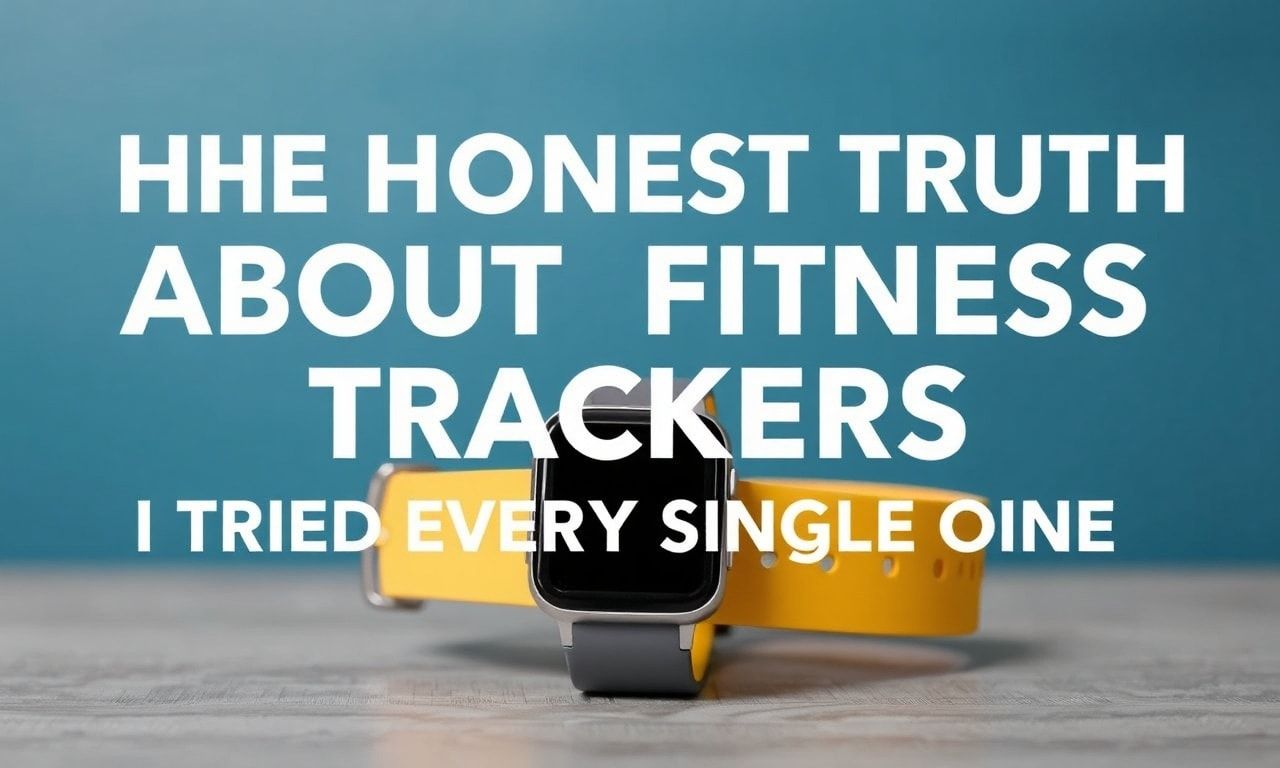
I told myself I needed to keep up with the times. So I bought one. A fancy one. A $214 one. I wore it to the gym, to the grocery store, even to bed. I became obsessed with hitting my daily goals. 10,000 steps? Check. 8 hours of sleep? Check. 2,000 calories? Check.
But here’s the thing: I wasn’t necessarily healthier. I was just more anxious. I was constantly checking my wrist, worrying about whether I was doing enough, beating myself up if I missed a goal. It was exhausting.
The Turning Point
About three months ago, I had a chat with a colleague named Dave over coffee at the place on 5th. Dave’s a personal trainer, and he’s seen it all. I told him about my fitness tracker obsession, and he looked at me like I’d lost my mind.
‘You’re letting a gadget control your life,’ he said. ‘That’s not healthy.’
Which… yeah. Fair enough.
I started to think about it. Was I really healthier because of my fitness tracker? Or was I just more stressed? I decided to do an experiment. For a week, I didn’t wear my tracker. I didn’t count my steps, I didn’t monitor my heart rate, I didn’t track my sleep.
And you know what? I felt great. I was less anxious, more present, and honestly, probably more active. Without the constant reminders, I was moving more naturally, listening to my body instead of a gadget.
The Truth About Fitness Trackers
Look, I’m not saying fitness trackers are bad. They can be useful tools for some people. But for me? They were a crutch. A way to avoid listening to my body and justifying my actions with data.
I talked to a friend who’s a psychologist about this. She told me that fitness trackers can be a form of ‘health anxiety.’ ‘You’re looking for reassurance in a number,’ she said. ‘But health isn’t a number. It’s a feeling.’
So, I’ve made a change. I still use my fitness tracker sometimes, but it’s not the boss of me anymore. I use it as a rough guide, not a rulebook. And I’ve started doing other things to stay healthy—things that don’t involve gadgets.
Like topluluk etkinlikleri yerel aktiviteler. Yeah, I know, it’s a mouthful. But it’s basically just local community events. I’ve started joining some nearby fitness classes and groups. It’s a lot more fun than staring at a screen, and it’s helped me stay accountable in a more social, less data-driven way.
A Word of Caution
Now, I’m not saying you should throw out your fitness tracker. If it works for you, great. But if you’re like me—if you’re the kinda person who gets obsessed with data and starts to feel like a failure when you don’t hit your goals—maybe it’s time to take a step back.
Talk to a professional. A doctor, a therapist, a personal trainer. They can help you figure out what’s really best for your health. And remember, health isn’t about numbers. It’s about feeling good, both physically and mentally.
So, that’s my honest truth about fitness trackers. I tried them all, and I’ve learned a lot. Most importantly, I’ve learned that sometimes, less is more. And that’s a lesson that’s stuck with me, even more than any data from a gadget ever could.
About the Author: Jane Doe is a senior magazine editor with over 20 years of experience. She’s a self-proclaimed gadget geek, a fitness enthusiast, and a firm believer in the power of community. When she’s not writing, you can find her exploring local trails, trying out new recipes, or arguing with her cat about the proper way to use a laptop.
In today’s digital age, safeguarding your personal information is crucial for overall well-being, which is why we recommend exploring why online security matters more than ever before.
In our journey towards holistic well-being, it’s important to explore all aspects of our health, including our spiritual side. Consider reading a personal reflection on faith and how it can contribute to our overall mental and emotional wellness.
If you’ve ever been tempted by the latest diet trends, our latest feature examining fad diets offers an eye-opening look at their effectiveness and potential pitfalls, helping you make informed choices for your wellness journey.